

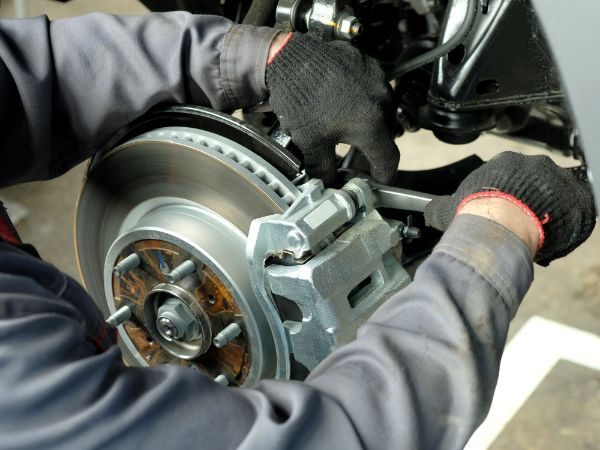
Your vehicle’s brakes are one of its most important safety systems. Whether you’re commuting to work, running errands, or taking a road trip, reliable brakes help you stay in control and avoid accidents. Unfortunately, brake problems can develop gradually, making them easy to overlook.
Knowing the warning signs of brake trouble can help you address problems before they become expensive or dangerous. Here are 7 signs your brakes need immediate attention.
1. Squealing or Grinding Noises
High-pitched squealing when you brake can indicate that your brake pads are becoming worn. While some brake noise can be normal, persistent squealing should be inspected by a professional.
A grinding sound is even more concerning. It may mean the brake pads are completely worn down and metal components are rubbing together. Continuing to drive with grinding brakes can cause serious damage to the rotors and other brake components.
2. A Soft or Spongy Brake Pedal
Your brake pedal should feel firm and responsive. If it suddenly feels soft, spongy, or sinks closer to the floor than usual, there could be an issue with your brake system.
Potential causes include low brake fluid, air in the brake lines, or a hydraulic problem. Because these issues can affect your ability to stop safely, have your vehicle inspected as soon as possible.
3. Vibrations When Braking
Does your steering wheel or brake pedal vibrate when you slow down? This can be a sign of warped or unevenly worn brake rotors.
Ignoring brake vibrations can lead to additional wear and reduced braking performance. A professional brake inspection can determine whether the rotors need resurfacing or replacement.
4. Your Vehicle Pulls to One Side
If your car pulls left or right when you apply the brakes, there may be uneven brake pad wear, a sticking caliper, or another brake-related problem.
Pulling can make your vehicle harder to control during emergency stops, so it’s important to have the issue diagnosed promptly.
5. A Brake Warning Light Appears
Never ignore a brake warning light on your dashboard. It may indicate low brake fluid, a problem with the braking system, or another issue requiring attention.
If the warning light appears alongside unusual braking behavior, avoid unnecessary driving and seek professional service immediately.
6. Your Braking Distance Has Increased
If your vehicle takes longer than normal to stop, your brakes may not be performing properly. Worn pads, contaminated brake components, or hydraulic problems can all contribute to reduced stopping performance.
Even a small increase in stopping distance can matter during an emergency.
7. A Burning Smell After Braking
A sharp burning odor after braking can indicate overheated brake components. This may happen after heavy braking, but it can also signal a sticking brake caliper or another mechanical problem.
If you notice a persistent burning smell, allow the brakes to cool and have the vehicle inspected before continuing to drive.
Don’t Ignore Brake Problems
Brake issues rarely improve on their own. Addressing warning signs early can help protect your safety, prevent additional vehicle damage, and potentially reduce repair costs. If you notice unusual brake noises, vibrations, warning lights, or changes in pedal feel, schedule a professional brake inspection.
For trusted automotive service in your area, contact Rockville Centre Auto Repair Corp and learn more at Rockville Centre Auto Repair Corp. Getting your brakes checked today could help keep you and everyone else on the road safer tomorrow.