

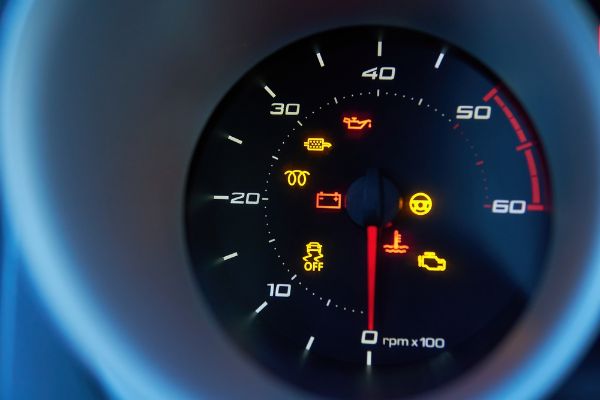
If you’ve ever started your vehicle and noticed a new light glowing on the dashboard, you may have wondered what it means and whether you should keep driving. Dashboard warning lights are designed to communicate important information about your vehicle’s systems. Understanding these symbols can help you recognize potential problems and know when your vehicle should be inspected.
What Do Dashboard Warning Lights Mean?
Dashboard warning lights use colors and symbols to indicate different levels of concern. While symbols can vary by vehicle manufacturer, the general color system is helpful.
Green or blue lights typically indicate that a system is operating or currently in use. Examples include high-beam headlights, turn signals, or cruise control.
Yellow or amber lights generally indicate that a system needs attention or that a potential issue has been detected. Common examples include the check engine light, tire pressure warning, and traction control light.
Red warning lights usually indicate a more serious condition that may require immediate attention. Examples include the oil pressure warning light, brake warning light, and engine temperature warning.
Common Dashboard Warning Lights Explained
Check Engine Light
The check engine light can indicate many different issues, ranging from an emissions-related problem to a sensor or engine system concern. A steady light generally means a fault has been detected, while a flashing check engine light can indicate a more urgent condition.
Oil Pressure Warning Light
An oil pressure light often appears as an oil can symbol. If this light comes on while driving, it may indicate low oil pressure. Continuing to operate the vehicle under these conditions can potentially cause serious engine damage.
Battery Warning Light
The battery-shaped warning light is commonly associated with the vehicle’s charging system. It may indicate an issue involving the alternator, battery, wiring, or another component of the charging system.
Brake Warning Light
A brake warning light can have several causes, including an engaged parking brake, low brake fluid, or a problem within the braking system. Because your brakes are essential to vehicle safety, this warning should not be ignored.
Tire Pressure Warning Light
The tire pressure monitoring system (TPMS) light alerts you when one or more tires may have insufficient air pressure. Proper tire pressure supports safe handling, tire performance, and even wear.
When Should You Have a Warning Light Checked?
A dashboard warning light should never be ignored simply because the vehicle appears to be driving normally. Pay attention to the color of the light, any unusual sounds or changes in performance, and whether the light is steady or flashing.
If you’re unsure what a warning light means, consult your owner’s manual or contact a qualified auto repair shop for guidance. A professional inspection can help identify the underlying cause and determine what your vehicle needs.
Know Your Dashboard, Protect Your Vehicle
Learning the meaning of common dashboard warning lights gives you a better understanding of your vehicle and helps you respond appropriately when something changes. When a warning light appears, knowing what it means is the first step toward keeping your vehicle operating safely and reliably.